COVID-19 and Virus Disinfection
After an outbreak, virus disinfection treats shared spaces, offices and homes.
See covid-19 and virus disinfectionGet infectious disease cleanup for a home, office, school, rental or shared space in Fox Chase. The process covers cleaning, EPA-registered disinfectants, label contact time and a final check of treated surfaces.
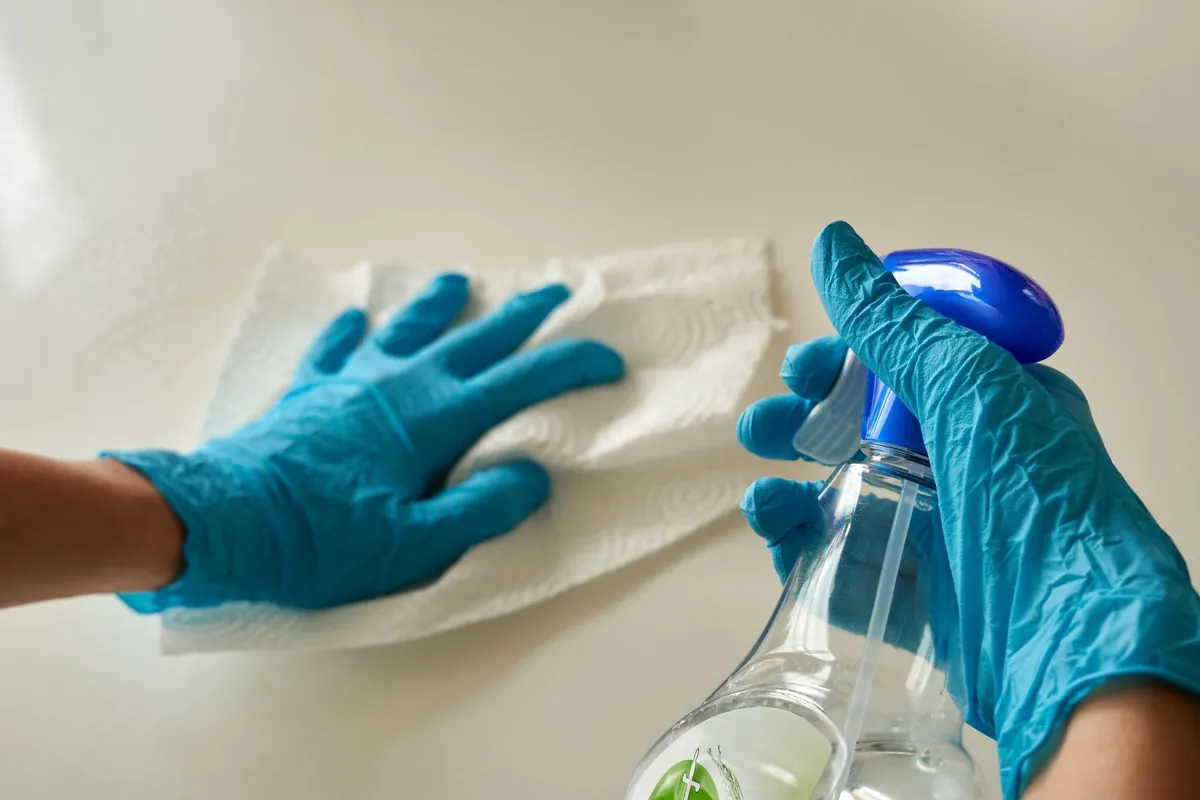
Infectious disease cleanup is the planned disinfection and cleaning of areas that may contain a disease-causing germ, including a bacterium or virus. It addresses the area involved as well as frequently touched items and nearby surfaces.
The cleaning process begins by identifying how the space is used, what contamination may be present and which surfaces can tolerate the selected product. Visible soil is removed first. An EPA-registered disinfectant is then applied according to its label, including the listed contact time. A surface must stay wet for that time so the product can work as directed.
This type of service applies in many places, including a home, office, rental property, school, restaurant, healthcare environment or shared vehicle. Its scope responds to a confirmed or suspected disease concern, rather than routine cleaning needs. Contamination involving blood or bodily fluids, as well as hazardous materials, is a different form of biohazard remediation that may involve taking out materials, disposing of waste and using additional protective equipment.
By using unmarked vehicles and limiting work to affected areas, crews help you move forward without unwanted attention.
The explanation needs to address product selection, dilution, surface safety and contact time, while making clear that spraying quickly is not enough.
Before cleanup starts, you can point out delicate belongings and decide what can be moved, cleaned or not disturbed.
The scope should tell you what happens step by step, which spaces and items receive treatment and which areas do not.
A contamination incident, confirmed illness or suspected exposure may call for more than standard janitorial work. Infectious disease cleaning can be appropriate in situations such as these:
Offices, schools, rentals and other properties where people share rooms and fixtures receive a clearly set scope.
Focused disinfection and cleaning address a reported illness or exposure at homes, workplaces and facilities used by others.
When your household needs more help, focused cleaning covers bedrooms, bathrooms, kitchens and common living spaces.
Frequently touched places receive special attention while every surface is treated as its disinfectant label directs.
First, reduce contact with the area and prepare accurate details for the cleanup technicians. Take these steps before the job starts:
Call (888) 440-9227The published range for virus decontamination is $1,500 to $3,500 per job. Cost guides list infectious disease decontamination at $2,000 to $8,000 for each job in one case and $1,000 to $8,000 in another, while a biohazard cleanup cost guide shows $1,500 to $10,000 per infectious disease disinfection job. Your cost reflects the area, germ and surface count, along with testing and air system work when either is required.
The figures shown are national ranges from published cost guides and are not based on an on-site visit. You learn what your property will cost after the on-site assessment and before any work begins.
Ask about cost: (888) 440-9227Whether insurance pays depends on the terms of the policy, the property affected and the source of contamination. A routine disinfection visit or cleaning for prevention may not qualify. If circumstances permit, confirm coverage for the particular event with your insurance company before work starts.
The involved section of the property and your lease can determine responsibility. Check the documents first to establish who has authority to approve cleanup.
For your claim file, insurance assistance may arrange the service scope, invoices, treated-surface records and appropriate photos from the affected area.
How cleanup costs are treated may differ between business and residential policies. The decision depends on the loss cause and the language in your policy.
You can ask the insurer if cleanup is covered, which deductible applies and whether records such as photos or a work scope are required.
The remediation process is built around the suspected germ, the affected areas and the disinfectant label. Every step has a purpose, from controlling entry to checking that the full scope is complete.
Cleanup involves locating common touchpoints, delicate materials, rooms, waste and bodily fluids that could alter the work plan.
Nearby rooms are guarded against equipment and walking traffic by limiting access and planning movement from clean spaces into dirty ones.
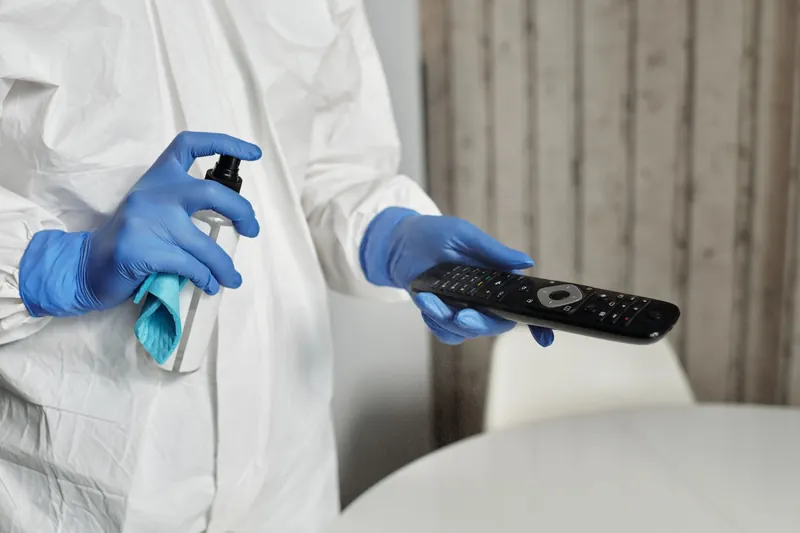
The stated exposure, work task and chosen product determine which gloves and additional protective equipment are used.
Dust, dirt and visible residue are removed with methods suited to each surface before disinfection begins.
An EPA-registered disinfectant is applied to compatible surfaces at the label dilution and kept wet for the full contact time.
Shared equipment and specific touchpoints such as counters, switches, bathroom fittings and door hardware are covered intentionally rather than misted generally.
The process cleans reusable equipment, contains single-use materials and sorts any hazardous waste into its correct disposal route.
The entire process finishes with areas compared against the scope and a clear account for you of every treated room and surface.
You can call anytime. You speak with an infectious disease disinfection specialist who outlines the process and schedules a start time with you.
The main risks involve contact with contamination, incorrect product use and overlooked touchpoints. Rather than depending on a quick spray, a careful cleanup plan manages all three.
Contamination may travel between surfaces on tools, shoes, cleaning cloths and gloves. That risk decreases with a clearly marked workspace and controlled movement through it.
Contaminated materials may protect germs from disinfectant, while unnecessary contact can pose serious health risks. Cleaning must remove visible residue before the correct product is applied for its full contact time.
How long germs stay viable and how they spread varies between bacteria and viruses. The possible germ, its setting and the surface involved determine the disinfection approach.
Can you clean it yourself? When no exposure is known and neither hazardous waste nor bodily fluid is present, normal cleaning may suffice. When multiple rooms are involved, someone vulnerable occupies the property or the affected area has unclear limits, professional cleanup offers you a consistent process with documentation.
Demolition is generally not part of infectious disease disinfection because the work mainly treats surfaces. Materials that can safely be cleaned are kept. Separate disposal may be needed if an item contains bodily fluids or contamination cannot be removed from it.
OSHA Bloodborne Pathogens Standard 29 CFR 1910.1030 applies when workers can be exposed to blood or other potentially infectious materials.
EPA label directions govern use on a suitable surface, including the complete contact period, application method and dilution.
Kentucky has no single medical waste agency. The Energy and Environment Cabinet's Division of Waste Management permits medical waste transfer stations, and most landfills accept this waste only after treatment, so it should not go in household trash. Identify the material before disposal because regular cleaning debris and regulated medical waste can take separate routes.
Schools, food-service areas, medical settings and similar properties may use extra cleaning protocols. The plan still needs to incorporate your site's requirements and up-to-date public health instructions.
Cleanup time varies with the affected area's size, the quantity of surfaces, required contact time for the product and the ability to divide treatment into sections. A reliable schedule can only be determined after the site is assessed.
The full infectious disease disinfection guide covers what is cleaned or removed, odor and air quality work, and the rules that apply in Bullitt County.
Read the full infectious disease disinfection guideLocal housing, population and access details can shape containment, access and cleanup planning.
A local renter share of 0.0% means many properties may have one owner making decisions about access, drying, and material removal.
Because the median home dates to 1980, cleanup plans should distinguish washable surfaces from absorbent carpet, padding, and wallboard.
Even at 20.7%, seniors living alone can benefit from regular contact that shortens the time before an emergency is noticed.
The 100.0% single-family share means odor may move through connected rooms and ventilation even without shared walls between households.
Ask on the call about cleanup options for neighboring communities and ZIP codes.
After an outbreak, virus disinfection treats shared spaces, offices and homes.
See covid-19 and virus disinfection
MRSA, C. diff and norovirus cleanup for homes, care settings and gyms.
See mrsa, c. diff and norovirus cleanup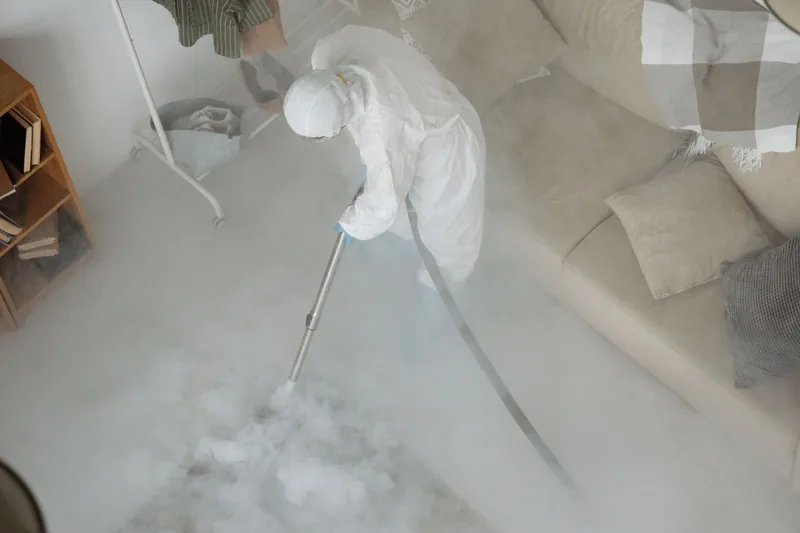
Complete decontamination treats the room, its surfaces and the air after a hazardous or infectious exposure.
See biohazard decontamination
Contamination is cleared through biological remediation, returning the space to safe use.
See biohazard remediation
Commercial and industrial sites receive biohazard cleanup arranged around operating needs and site access.
See commercial and industrial biohazard cleanup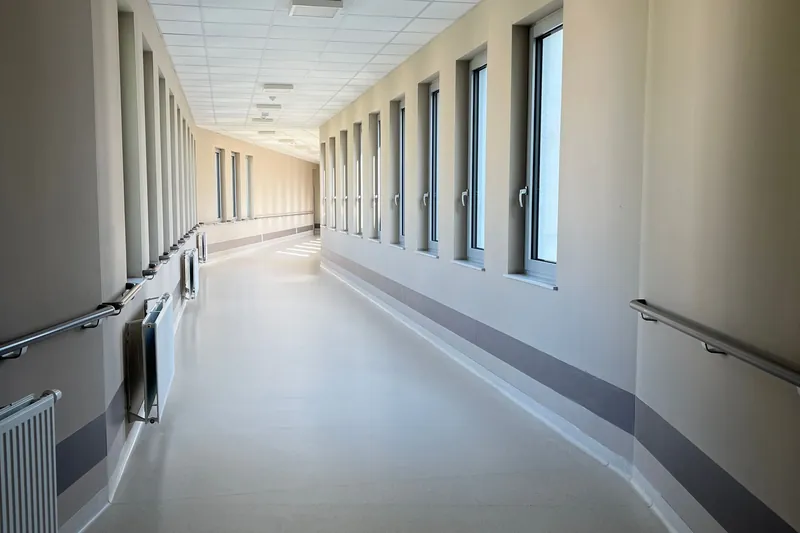
Biohazard cleanup addresses care homes, medical clinics and healthcare settings.
See hospital and healthcare biohazard cleanup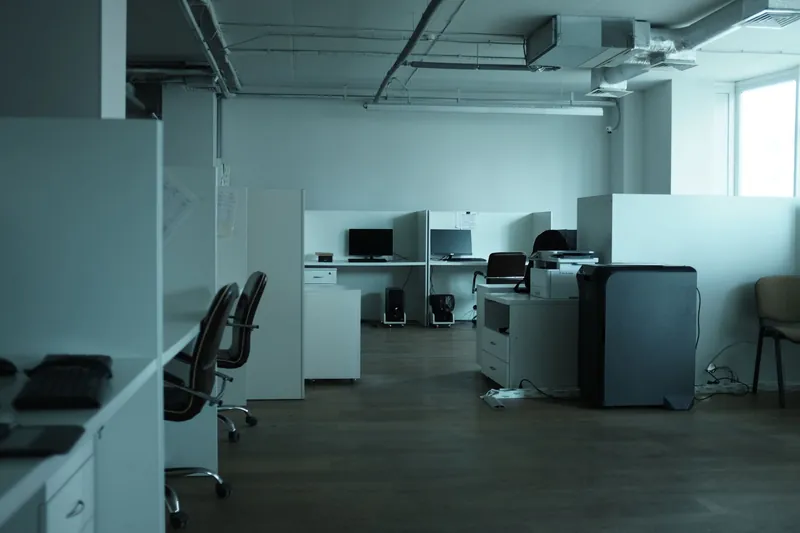
Workplace biohazard cleanup addresses offices after injuries or exposure incidents.
See office and workplace biohazard cleanup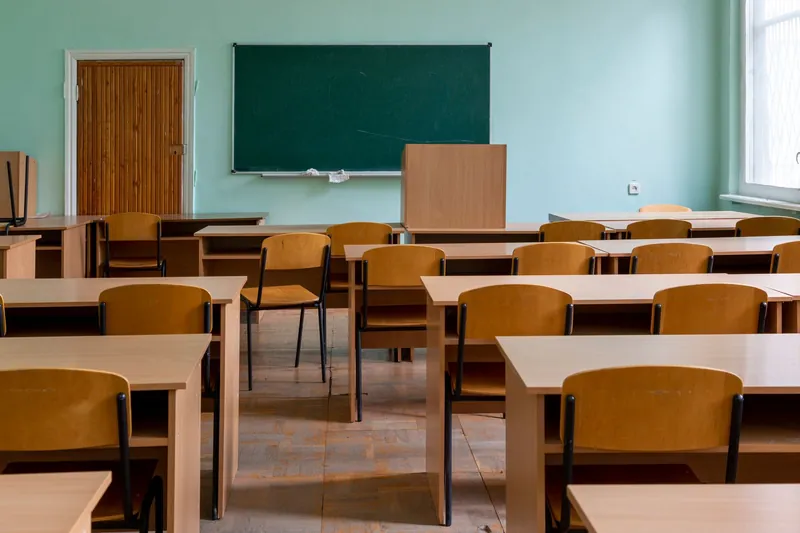
School and daycare biohazard cleanup outside of class hours.
See school and daycare biohazard cleanupBegin by clearing people from the affected area and cleaning any soil you can see on compatible materials. Apply an EPA-registered disinfectant exactly as its label directs, including dilution and contact time. Never combine products, and concentrate cleaning on objects people touch often. For current isolation, testing or medical guidance, follow your healthcare professional or public health authority.
Some registered disinfectant products contain alcohol, but the ingredient name alone does not tell you whether a product is suitable for a surface or germ. Use a product whose label covers the intended use, and follow its directions and contact time. Drinking alcohol, mixtures made at home and unlabeled products are not reliable choices for disinfection.
Start by finding out whether the furniture has unsealed wood, a sealant or some other coating. Choose only a suitable cleaner and an EPA-registered disinfectant that the surface tolerates, using both according to label directions. If needed, perform a test in an inconspicuous section first. Unfinished or damaged wood is porous and may need a different method than sealed furniture.
The cause of the cleanup and your insurance terms affect whether it is covered. An insurer may address precautionary disinfection differently than cleanup connected with a property loss the policy covers. Before work begins, speak with your insurance company, explain only what you know and check whether approval is required along with the deductible, exclusions and documentation needs.
Many bacteria are harmless, but some qualify as biological hazards because they are capable of causing disease. Concern varies according to the setting, type of organism and way a person may be exposed. If contamination includes blood, bodily fluids, sewage or medical waste, it may require biohazard cleanup beyond ordinary surface disinfection.
Urine cleanup need not follow one identical approach in every situation. Management can vary according to the amount, relevant waste requirements, presence of blood and health condition involved. Keep people out, do not touch the material directly and give clear details in advance to support the right protective gear and disposal route.
Respectful, discreet infectious disease disinfection is available 24 hours a day, and crews arrive in unmarked vehicles.